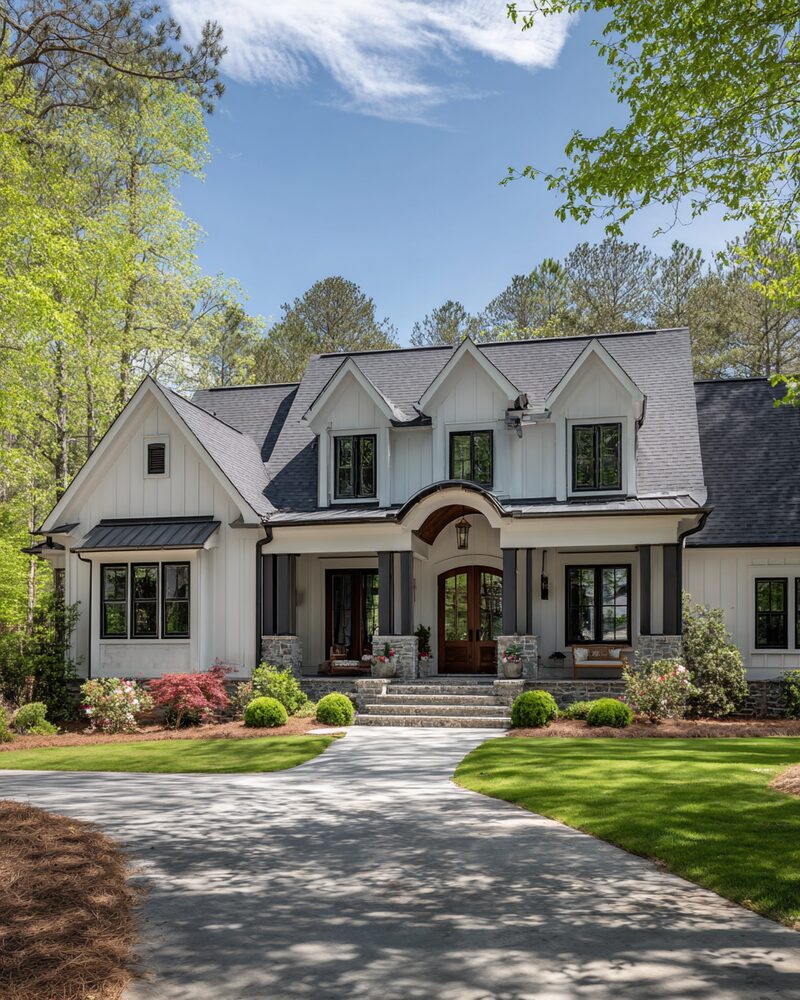
Whether you are moving across town or to the Atlanta area for the first time, understanding what creates long term value in Northeast Atlanta homes will save time and money. This guide highlights the local signals buyers and sellers should watch, practical checks to perform on any property, and proven ways to protect and grow value in neighborhoods from Johns Creek to Suwanee, Alpharetta to Duluth and nearby communities.
Know the micro markets not just the market
Northeast Atlanta is made up of many micro markets. Price trends and buyer demand can vary block by block based on school zones, commute corridors, and recent neighborhood improvements. Look beyond countywide statistics and focus on recent sales in the immediate subdivision, lot sizes, and the most common home styles in that pocket. This is the information appraisers and experienced agents use to set realistic price expectations.
Checklist for buyers evaluating value
1) Verify the school zone and recent rezoning history. School assignment changes can alter demand quickly.
2) Compare three to five recent closed sales within a half mile rather than relying on broad zip code comps.
3) Inspect HOA rules and reserve fund status. HOAs affect resale speed and buyer pool.
4) Evaluate commute patterns at the times you will travel. Proximity to GA 400, I 85, and local arterials matters for daily life and resale.
5) Look for durable upgrades like roof, HVAC, and electrical panels that reduce near term capital needs.
These steps help buyers spot homes likely to outperform and avoid surprises that reduce negotiating leverage.
Steps sellers should take to maximize return
Start with a focused plan based on your micro market. A few targeted improvements often yield better returns than large renovations. Prioritize tasks that influence first impressions and inspection results: exterior paint touch ups, landscaping cleanup, replacing an old HVAC filter and scheduling a prelisting inspection to identify negotiable repairs early. Price placement relative to comparable inventory is critical; a well priced, well prepared home will attract multiple showings and stronger offers.
Small upgrades that matter over time
- Energy efficient water heaters or smart thermostats that reduce operating costs.
- Simple kitchen refreshes such as cabinet refacing or modern hardware instead of a full remodel.
- Durable flooring and neutral paint to broaden buyer appeal.
These are low risk investments that signal quality and lower perceived future costs for buyers.
Why timing and inventory still shape outcomes
Seasonal inventory cycles and local development projects influence selling windows. Spring often brings more buyers, while late fall can produce more serious buyers with less competition. Also monitor approvals for nearby commercial or residential development—new schools, retail centers, or road improvements can increase demand, while new high density projects may change neighborhood character. Tracking planned developments in your county planning board reports gives you an edge.
How data improves decisions
Use three data sources for confident decisions: recent closed sales, active listings to gauge competition, and pending sales for market velocity. If you are buying, set target comps and stick to a maximum based on expected repairs and resale. If you are selling, analyze days on market and sale price to list price ratios in your exact neighborhood to price competitively from day one.
Common negotiation levers
Buyers can request credits for inspection findings, ask for closing cost assistance, or propose a flexible closing date in areas with limited inventory. Sellers can use pre-inspection reports, flexible possession terms, and small concession offers to close gaps. Both sides benefit from a clear timeline and contingency plan for appraisal issues or loan delays.
Long term value considerations
Think like an investor and a homeowner: how will a property appeal to the next buyer in five to ten years? Good school access, low maintenance yards, adaptable floor plans, and proximity to growing employment centers are stronger predictors of sustained value than fleeting design trends. Energy efficiency and durable systems
